Kiahk Praises
“You servants of the true God, the souls of the righteous, and the humble and the charitable, Praise Him and exalt Him above all.”
(Coptic Hymn)
The Story In A Minute
On its way! Coming Soon! Come back later!
What is The Praise of Kiahk
The Coptic month of kiahk is a holy month that is important for the Coptic Orthodox church, as it is a month of praise that prepares us for the glorious celebration of the feast of the Nativity (29 kiahk).
Order of Kiahk Midnight Praises – The First Canticle (hos)
It is the praise of Moses the Prophet after crossing the Red Sea (Exodus 15). The Red Sea was a symbol of baptism which is considered a complete barrier between Pharaoh and his soldiers and between the people that passed through the wilderness with their God.
The Second Canticle
“Give thanks to the Lord for He is good, for His mercy endures forever.”
The Third Canticle
The Praise of the Three Saintly Youths
The Commemoration of The Saints
The Fourth Canticle
The fourth canticle is made up of Psalms 148, 149, and 150, and it is all about praise.
The Mystery of the Incarnation: The Theotokias
References
Home
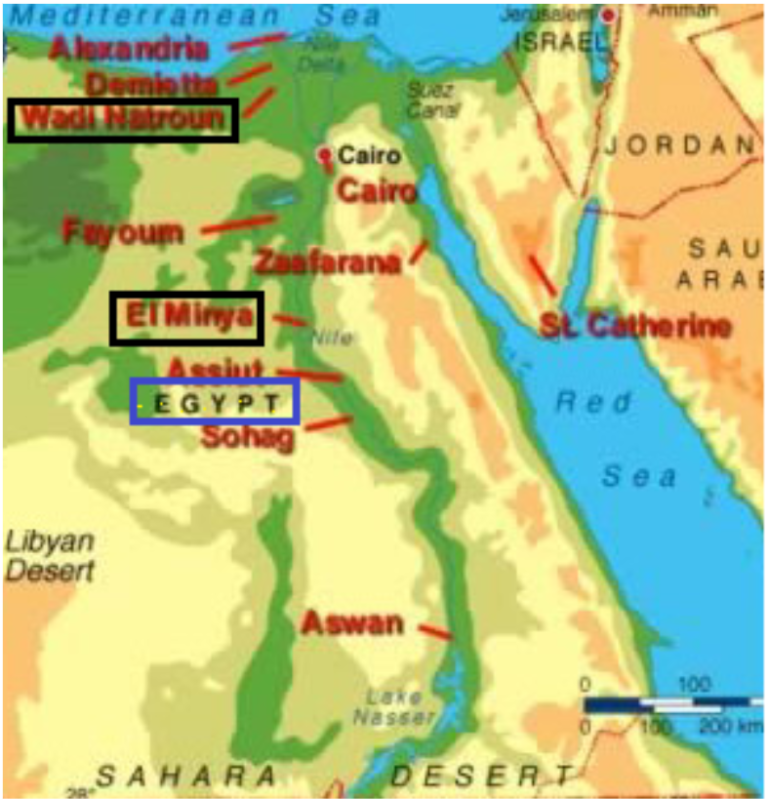
At last, his father allowed him to do what he wanted, so he joined the Monastery of Saint Makar, (hence the name “El-Makari”) also known as Macarius in the Great in the desert of Scetes (Wadi El-Natrun) and became a monk by the name of Abdelmessieh (The servant of Christ).
In the Monastery
He led an extremely ascetic life and offered a superior example of true monastic life. He used to stay in his cell in complete solitude for several days. He had one simple meal every day in the evening, and he memorized many parts of the church hymns and praises.
His spiritual father and guide -Father Abdelmessieh El-Masoudi- told him to go out of the monastery to serve people. He also advised him to flee from vain glory and honour, following the rule of the fathers of the desert.
“Indeed, concealing virtues after perfecting them is an act of the highest degree of spirituality.”
The Desert Fathers
His service in El-Manahra
Finally, he moved to El-Manahra village, El-Minya -this is why he is also called “El-Manahri”- and God honoured him with the gifts of prescience and discerning of spirits.
He performed wonders and miracles exactly like those done at the hands of the apostles, and he used to cover up his spiritual gifts and virtues with some “unusual” behaviour to avoid hearing words of praise from people (as per his spiritual father’s advice). But all people of the whole region testify to his holiness.
Of those virtues we may mention:
+ First, his marvellous purity for which he was put to the test and came out victorious.
+ Second, he was distinguished for his strict asceticism and continuous vigilance. Whether he was at
the monastery or out in the world, he spent his nights praising and praying with tears asking for
God’s forgiveness for sinning or causing others to sin.
+ Third, he was known for his wonderful humility. He fled from praise in spite of the fact that he
had the gift of healing the sick.
+ Fourth, he was very compassionate and gave everything he was given to the needy.
+ Fifth, our good God gave him the gift of prescience, so he knew who was coming to see him and
also knew the exact day of his own departure.
His departure
Father Abdelmessieh was crowned with the crown of righteousness and good fighting as he departed our world on Easter Sunday morning of the year 1963. Right before his departure, he was telling everyone,
“I will be crowned and celebrate on Easter day.”